Adrian O'Dell • December 8, 2026
Repair, Recover or Replace? What a Roof Moisture Map Tells You
FAA Part 107
MBE Certified
EDGE Certified
OSHA 10 Trained
L1 Thermographer
How much of the roof is wet, and where, decides whether you repair, recover or replace. A visual inspection tells you what is damaged on top. An infrared roof moisture survey tells you how much insulation is wet underneath, measured and mapped. That number is what turns a roofing decision from a guess into a plan.
Why the wet area matters more than the age
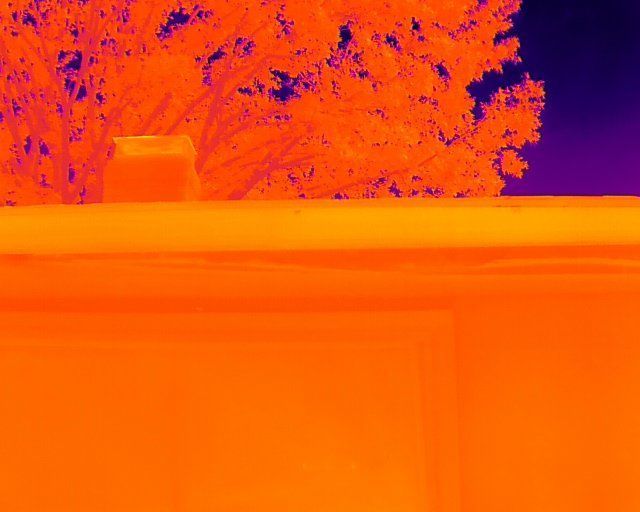
Water that gets past a membrane soaks into the insulation and stays there, often without a ceiling stain. Wet insulation loses its insulating value, and over time it rots decking and corrodes fasteners. Two roofs of the same age can need completely different work, depending on how much water each one is holding.
Three paths, and when each fits
Targeted repair
When the wet areas are a small share of the roof and clustered around a few sources such as drains, curbs, seams or penetrations. Remove and replace the wet insulation and membrane in those areas, fix the source of the leak, and keep the rest of the roof working. This is often the least expensive path, and it protects the remaining service life.
Recover
A new membrane, and often new cover board, installed over the existing roof. Recovers can extend service life, but the building code (IBC 1512) does not allow a new roof over existing insulation that is water-soaked. Wet areas have to be found and removed first, so a moisture map normally comes before a recover bid.
Full replacement
When wet insulation is widespread, the deck is damaged, or the roof has already been recovered. A documented moisture map also supports a capital request or a warranty claim, because it shows the extent of the problem instead of describing it.
Reading the map
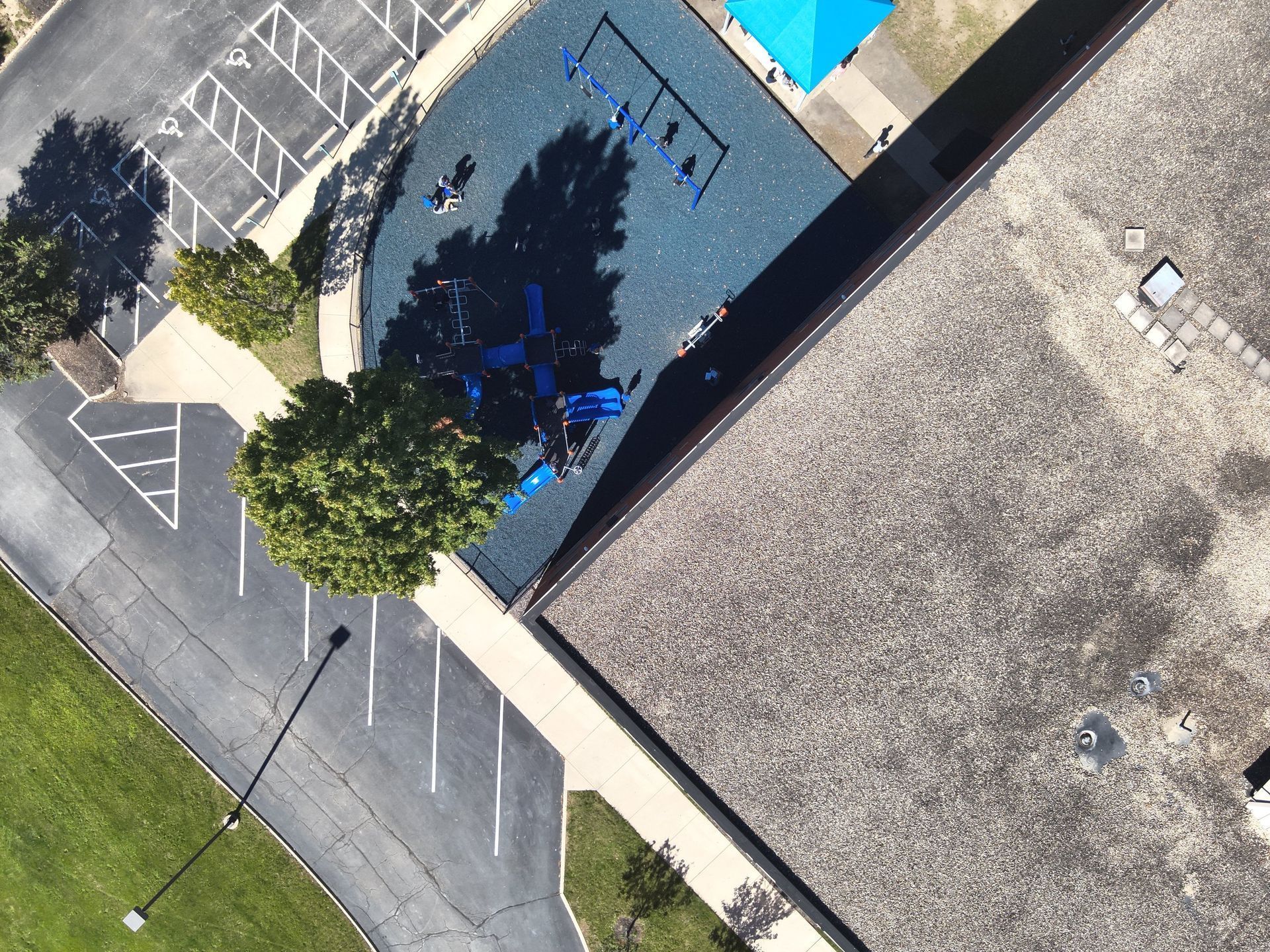
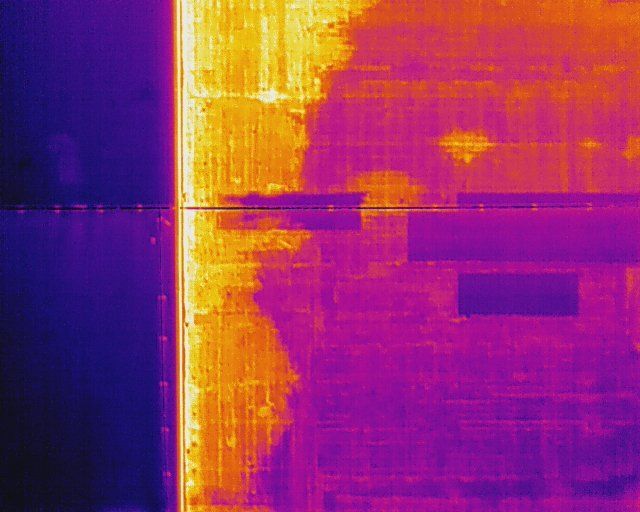
- Ranked zones. Each suspect area is outlined, measured in square feet, located by GPS and ranked by priority, so the worst areas get verified first.
- Share of each roof section. The report breaks wet area down by section, which is what a roofer needs to scope repair against recover.
- Day and night images. Every zone is shown in visible light and in day and night thermal, so you can see why it was flagged.
- Limitations. Ponded water, recent rain, reflections and roof features can mimic or hide moisture. The report states which applied to your roof.
Verify before you bid
Infrared surveys find likely wet insulation; they don't prove it. ASTM C1153, the standard practice for these surveys, calls for verifying suspect areas, usually with core cuts or a moisture meter in a few marked spots. Ask your roofer to cut cores in a high-priority zone and in a dry area for comparison. Once the cores confirm the pattern, the map can be used to quantify the work.
Using the map with your roofing contractor
- Share the zone files (CAD or GIS) so the contractor can lay the areas on their own roof plan.
- Ask for pricing by zone, so you can choose which areas to address now and which to monitor.
- After repairs, a follow-up survey documents the result for your records and any warranty.
Questions to ask your roofing contractor
- Which zones would you core first, and where will you take a dry comparison core?
- How would you price targeted repair versus a recover for the wet areas on this map?
- Does the roof already have a recover on it, and how many layers?
- What does the manufacturer's warranty require for repairs or a recover?
- Should we resurvey after the repair to document the result?
Frequently asked questions
How much does a roof moisture survey cost?
Surveys start at $1,250 per building. Large or complex roofs and multi-building campuses are quoted by scope.
How long until we get the report?
Typically 5 to 10 days after the night flight.
Why do you fly at night?
Wet insulation holds heat longer than dry insulation, so it shows up warm after dark. We explain the timing and weather we need in What a Drone Roof Thermal Survey Finds, and What It Can't.
Does this replace a roof inspection?
No. A visual inspection checks seams, flashing and drains. The IR survey measures wet insulation. Many owners need both.
Deciding what to do with a roof?
Send the address, the roof system and age, and any known leaks, and we'll come back with a flight window and a fixed price. Request a roof moisture survey or call (614) 622-8786.
Findings are aerial observations by a Level 1 sUAS thermographer. They require field verification, such as core sampling, and are not an electrical test or a moisture certification. ARO Aerial does not provide roofing or engineering recommendations; repair scope should be set with your roofing contractor or consultant.