
Thermal Imaging & Infrared Inspection for Engineering
Thermal Imaging & Infrared Inspection for Engineering in Columbus, Ohio
ARO Aerial Inc | Professional Drone-Based Thermal Inspection Services for Engineering Firms
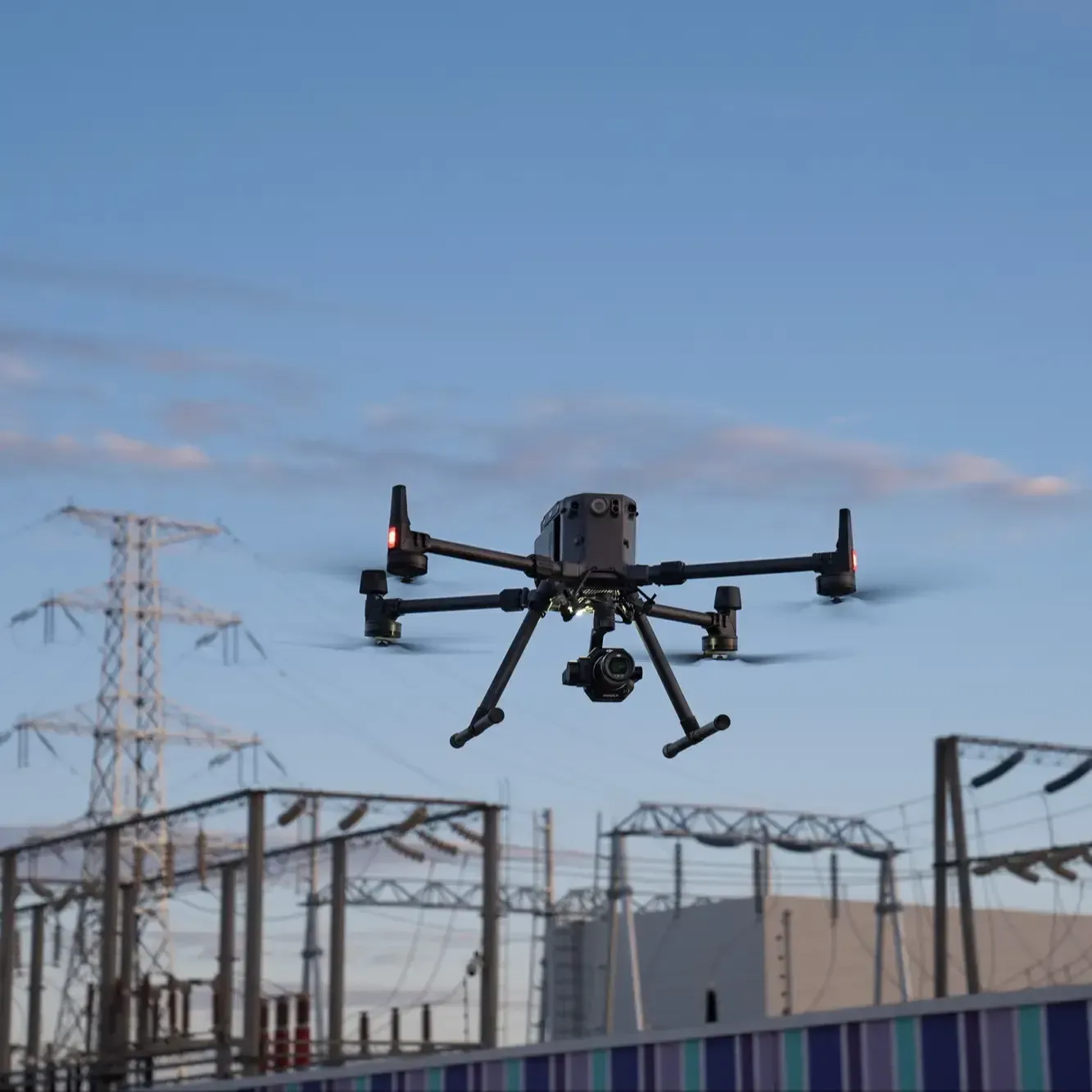
ARO Aerial provides professional drone-based and handheld thermal imaging and infrared inspection services for engineering firms across Columbus and Central Ohio. We detect, document, and quantify thermal anomalies — including insulation deficiencies, air infiltration, moisture intrusion, electrical faults, and mechanical system failures — that are invisible to the naked eye. Every inspection is performed by a Level 1 sUAS Thermography–certified operator using calibrated radiometric sensors under controlled environmental conditions, delivering quantitative data engineers can rely on for analysis, design, and compliance reporting.
We work with MEP engineers, structural engineers, building science consultants, energy engineers, and multidisciplinary firms — providing defensible thermal inspection data tailored to engineering standards. Whether you need a building envelope assessment for energy modeling, electrical distribution thermography for predictive maintenance, or moisture detection for forensic investigation, ARO Aerial delivers accurate, quantitative thermal data with clear, standards-aligned reporting.
FAA Part 107
MBE Certified
EDGE Certified
OSHA 10 Trained
L1 Thermographer
Why Engineering Teams Use Thermal Imaging & Infrared Inspection
- Identify insulation deficiencies, thermal bridging, and air leakage pathways for building envelope analysis
- Detect moisture intrusion in roofing systems, walls, and below-grade assemblies
- Locate overheating electrical components — panels, switchgear, connections, and distribution systems
- Evaluate HVAC system performance — ductwork leakage, insulation failure, and equipment thermal signatures
- Support energy audits with quantitative thermal data for R-value and U-value assessment
- Provide forensic investigation data for moisture damage, condensation, and envelope failure analysis
- Verify commissioning and retro-commissioning performance with thermal baseline documentation
- Deliver ASTM-aligned, quantitative reporting that meets engineering documentation standards
This is not a visual scan — it's quantitative thermal data built for PEs, project engineers, and building science professionals who need defensible measurements and standards-aligned analysis.
What We Deliver
1. Building Envelope Thermal Analysis
- Quantitative identification of insulation voids, thermal bridges, and air leakage pathways
- Thermal gradient mapping across wall, roof, and floor assemblies
- Air infiltration and exfiltration detection and localization
- Data for energy modeling inputs — effective R-value and U-value assessment
- Pre- and post-retrofit comparison for performance verification
2. Electrical System Thermography
- Radiometric scanning of panels, switchgear, transformers, and bus connections
- Identification of overheating components, loose connections, and load imbalances
- Phase-to-phase temperature comparison and anomaly quantification
- Severity classification per NETA/NFPA guidelines
- Predictive maintenance prioritization with quantified risk data
3. Mechanical & HVAC System Assessment
- Ductwork leakage detection and insulation failure identification
- Equipment performance evaluation via thermal signature analysis
- Radiant heating and cooling system verification
- Piping insulation assessment and steam trap evaluation
- Operational efficiency documentation for retro-commissioning
4. Moisture Detection & Forensic Investigation
- Subsurface moisture detection in roofing membranes, walls, and below-grade assemblies
- Active leak path identification and localization
- Condensation risk assessment at thermal bridge locations
- Pre- and post-remediation verification
- Forensic data for litigation support and insurance claims
5. Quantitative Thermal Reports
Every inspection includes:
- Calibrated radiometric imagery with absolute temperature measurements
- Side-by-side thermal/visible-light comparison with anomaly annotation
- Temperature differential (ΔT) quantification at each anomaly
- Severity classification and priority recommendations
- Environmental conditions documentation (ambient temp, wind, humidity, ΔT at time of scan)
- Executive summary with engineering-appropriate de
How It Works
1. Project Scoping
We coordinate with your project engineer to define:
- Systems and assemblies to be inspected — envelope, electrical, mechanical, roof
- Environmental condition requirements (minimum ΔT, wind, humidity thresholds)
- Deployment method — drone-mounted, handheld, or combined
- Reporting format, audience, and deliverable standards
- Access logistics and safety requirements
2. Thermal Inspection
Level 1 sUAS Thermography–certified operator executes the inspection:
- Calibrated radiometric sensor deployment (drone and/or handheld)
- Systematic scan patterns for complete coverage
- Dual-spectrum (thermal + RGB) capture at each location
- Environmental conditions verified, documented, and recorded
- Safety-first operations with FAA Part 107 compliance for aerial components
3. Analysis & Reporting
You receive a complete engineering inspection package:
- Calibrated thermal imagery with quantified temperature data
- Anomaly identification, ΔT measurement, and severity classification
- ASTM-aligned methodology documentation
- Actionable recommendations with engineering-appropriate detail
- Cloud-based access for your engineering team and project stakeholders
Service Area — Columbus & Central Ohio
We provide thermal imaging and infrared inspection for engineering firms with projects in:
- Columbus
- New Albany
- Dublin
- Westerville
- Grove City
- Hilliard
- Delaware
- Marysville
- Lancaster
- Newark
- And all surrounding Central Ohio markets

Engineering Use Cases
01
Building Envelope Engineering
- Insulation deficiency identification for energy modeling and retrofit design
- Air barrier continuity assessment
- Thermal bridge quantification at structural connections and penetrations
- Pre- and post-retrofit performance verification
- ASHRAE-aligned energy audit support
02
Electrical Engineering & Predictive Maintenance
- Distribution system thermography — panels, switchgear, transformers
- Load imbalance detection and phase comparison
- Predictive maintenance program data for facility engineering teams
- NETA/NFPA-aligned severity classification
- Capital planning support with prioritized risk data
03
MEP & Commissioning
- HVAC system performance verification — ductwork, equipment, controls
- Commissioning and retro-commissioning thermal baseline documentation
- Piping insulation and steam trap assessment
- Radiant system performance verification
- Operational efficiency reporting for facility engineers
04
Forensic & Litigation Support
- Moisture intrusion investigation and leak path documentation
- Condensation and mold risk assessment at thermal bridge locations
- Quantified thermal data for expert witness and litigation support
- Insurance claims documentation with defensible radiometric measurements
- Pre- and post-remediation verification records
Why Engineering Firms Choose ARO Aerial
- Level 1 sUAS Thermography Certification
- Calibrated, radiometric-grade thermal sensors with quantitative temperature data
- ASTM-aligned inspection methodology and reporting
- Understands engineering workflows — energy audits, commissioning, forensic investigation
- Combined drone + handheld deployment for complete coverage
- FAA Part 107 certified and fully insured
- Fast turnaround with clear, technical communication
- Trusted by MEP, structural, and building science engineering firms across Ohio
Frequently Asked Questions (FAQ)
Why do engineering firms use thermal imaging?
Thermal imaging provides engineering firms with quantitative temperature data that reveals hidden conditions — insulation deficiencies, air leakage, moisture intrusion, electrical faults, and mechanical failures — enabling data-driven analysis, design decisions, and compliance documentation.
How accurate is drone-based thermal imaging for engineering applications?
With calibrated radiometric sensors, controlled environmental conditions (minimum ΔT), and Level 1 Thermography–certified operators, drone-based thermal imaging delivers precise, quantitative temperature measurements at every pixel — suitable for engineering analysis, energy modeling, and ASTM-aligned reporting.
What engineering standards apply to thermal imaging inspections?
Thermal inspections are conducted in alignment with ASTM standards for building thermography, NETA/NFPA guidelines for electrical thermography, and ASHRAE protocols for energy audit support. Environmental conditions (ambient temperature, wind, humidity, ΔT) are documented and verified for every inspection.
When should engineers commission thermal imaging?
Optimal timing depends on the inspection type: building envelope scans require minimum thermal differential (typically early morning or evening in heating/cooling season); electrical scans require loaded conditions; mechanical scans require operational systems. ARO Aerial coordinates timing to ensure valid, defensible results.
Get Started with ARO Aerial
Need quantitative thermal imaging data for your next engineering project?
ARO Aerial delivers calibrated, ASTM-aligned thermal inspection data for engineering firms across Central Ohio — with defensible measurements, clear reporting, and actionable findings.